
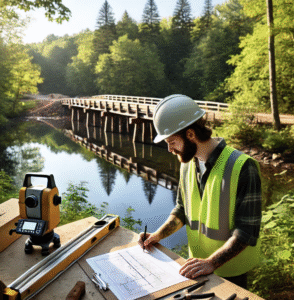
State parks hold a special place in our communities. They give us room to breathe, explore, learn, and reconnect with nature. But behind every peaceful trail, every scenic overlook, every bridge, pavilion, boardwalk, and visitor center is something most people never think about: structural integrity. And for a state park in Elizabeth, NJ—an area with heavy population density, nearby industrial infrastructure, and frequent public use—the role of a Structural Engineer isn’t optional. It’s essential.
Below is a full exploration of why structural engineering matters deeply to the safety, longevity, and community value of a state park in Elizabeth, NJ.
Protecting Public Safety in High-Traffic Natural Areas
Elizabeth, New Jersey, sits in a bustling region where thousands of residents and visitors rely on nearby green spaces for recreation. High-traffic parks need stronger oversight because more people means more risk if something goes wrong. Structural Engineers help ensure that every built feature—whether it’s a historic stone bridge or a modern timber pavilion—is stable, secure, and capable of withstanding heavy public use year after year.
This is especially critical for older structures often found in state parks. Many parks in New Jersey contain WPA-era bridges, retaining walls, and shelters that were built decades ago. These structures require regular evaluation to prevent failures caused by aging materials, erosion, vegetation growth, or unnoticed structural weakening.
Outdoor News outlets frequently document incidents of collapsing trails and infrastructure in natural areas, reminding us that safety can never be taken for granted. For instance, the importance of sound park structures is often highlighted in publications like Outdoor Recreation, showing how vital proper engineering is for public lands.
A Structural Engineer protects the public by identifying risks early, preparing the park for seasonal weather shifts, and ensuring that every structure meets or exceeds modern safety standards.
Strengthening Trails, Bridges, and Boardwalks
State parks often include elements that interact directly with nature—rivers, wetlands, uneven terrain, cliffs, and wooded slopes. These environments are constantly shifting, and structures built within them have to be engineered to adapt.
Structural Engineers play a major role in evaluating and designing:
• Footbridges over streams
• Boardwalks in marshy or flood-prone areas
• Elevated viewpoints and overlooks
• Structural components of trail systems
• Retaining walls that protect trails from erosion
Elizabeth, NJ experiences significant rainfall throughout the year, as well as freeze-thaw cycles that can undermine foundations and structural supports. Without professional oversight, walkways may crack, posts may rot, and supports may become unstable.
Nature-focused news sources like Outdoor Industry News frequently report on the importance of maintaining nature-based infrastructure as outdoor recreation continues to grow. With more visitors hiking, biking, and exploring, the need for structurally sound recreational pathways is higher than ever.
Structural Engineers apply science and field-tested strategies to ensure these features are safe, durable, and built for the long term—no matter what Mother Nature throws at them.
Protecting Natural Habitats Through Thoughtful Design
One of the biggest benefits of hiring a Structural Engineer for a state park is their ability to help protect sensitive natural environments. Parks in New Jersey often include wetlands, streams, wildlife corridors, and forested areas that cannot be disturbed without careful planning.
Rather than simply building infrastructure into nature, Structural Engineers work to design structures that coexist with the environment.
This can include:
• Raised boardwalks that prevent trampling of vegetation
• Bridges that span habitats without altering water flow
• Trails that reduce soil erosion
• Overlooks that keep visitors at a safe distance from sensitive areas
Outdoor-focused publications such as Adventure Journal highlight how environmental degradation often comes from poorly designed infrastructure. With a Structural Engineer guiding the design, parks can maintain ecological integrity while still offering safe, enjoyable experiences for the public.
This partnership between nature and engineering ensures the park thrives without sacrificing its natural beauty or wildlife habitats.
Maintaining Historic Features and Preserving Cultural Heritage
Many state parks in older American cities contain historically significant structures—stone walls, bridges, monuments, and shelters that reflect generations of community history. Elizabeth, NJ, one of the oldest cities in the state, is surrounded by sites with architectural and cultural heritage worth preserving.
Structural Engineers help ensure these historic elements remain safe and sound. Their role might include:
• Evaluating the condition of historic masonry
• Designing reinforcement systems that don’t ruin historic appearance
• Restoring aging timber or stone structures
• Preserving original materials when possible
• Ensuring historic features comply with modern safety codes
Reports from sources like Outdoor Sportswire often highlight restoration efforts in parks nationwide as cities recognize the importance of preserving local history. A structurally sound historic landmark doesn’t just make a park more beautiful—it anchors the experience in a sense of identity and continuity.
Structural Engineers make sure these landmarks last another hundred years and beyond.
Preparing for Severe Weather and Climate Challenges
New Jersey experiences a wide range of weather: hurricanes, Nor’easters, heavy winds, flooding, intense heat, and winter storms. A state park must be built to withstand these forces—especially in a city like Elizabeth where climate patterns interact with nearby waterways, industrial zones, and dense neighborhoods.
Structural Engineers analyze and prepare for:
• Flooding from heavy rain
• Storm surge impact (especially in low areas)
• High winds affecting roofs and shelters
• Soil erosion around foundations
• Tree root interference and ground shifting
• Snow loads on buildings and structures
Outdoor news platforms such as Outdoor News Daily regularly highlight environmental events that impact public lands. Weather-related infrastructure failures are becoming more common nationwide, making structural engineering more important than ever.
By integrating climate-resilient materials, designs, and construction methods, Structural Engineers ensure the park remains safe during every season—protecting visitors and preserving nature.
Supporting Modern Amenities and Recreational Growth
Parks are no longer just walking paths and picnic tables. Today, visitors want:
• Nature education centers
• Restroom facilities
• Outdoor amphitheaters
• Fitness stations
• Playgrounds
• Kayak launches and fishing docks
• Event shelters and rental spaces
Each of these requires structural stability to handle crowds, equipment, and weather. Structural Engineers make sure buildings and amenities meet code, last longer, and function safely.
As outdoor recreation continues to grow in popularity, proper engineering ensures the park can handle increasing demand without compromising safety or environmental health.
Enhancing Long-Term Budget Efficiency
Hiring a Structural Engineer may seem like an added expense, but in the life cycle of a state park, it actually saves money. When infrastructure is not professionally designed or maintained, parks face:
• Premature repairs
• Safety hazards
• Liability issues
• Structural failures
• Emergency shutdowns
• Increased insurance costs
With a Structural Engineer’s guidance, the park can:
• Use better materials
• Reduce maintenance needs
• Extend the life of structures
• Avoid expensive reconstruction
• Ensure compliance with state regulations
Long-term planning supported by structural engineering reduces risk and stretches the park’s budget—allowing more money to support trails, habitats, and visitor programs.
Conclusion: A Structural Engineer Builds the Foundation of a Safer, Stronger, More Beautiful Park 🌿
A state park in Elizabeth, NJ is more than a place to take a walk—it’s a community asset, an environmental refuge, and a historical treasure. Behind every structure the public depends on is the expertise of a Structural Engineer ensuring safety, longevity, and environmental harmony.
From preserving historic stonework to designing flood-resistant bridges, from protecting wildlife to supporting modern recreation, structural engineering touches every corner of a state park’s operation.
When parks invest in a Structural Engineer Elizabeth, they invest in the safety, beauty, and resilience of the land—and in the people who enjoy it every day.
A great state park isn’t just maintained.
It’s engineered. 🌲