
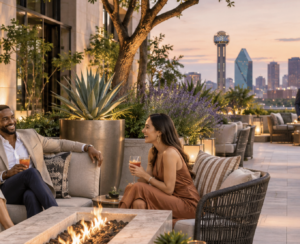
Dallas has never been a city that does things halfway, especially when it comes to hospitality. From striking downtown hotels to sophisticated rooftop lounges overlooking the skyline, the city has developed a reputation for bringing personality and ambition into its luxury spaces. Now, another change is taking shape. Outdoor environments are becoming a much bigger part of what guests expect from an upscale hotel experience. 🌿
A beautifully furnished guest room still matters, but travelers are paying attention to what happens beyond the lobby. They notice the rooftop terrace where they can enjoy the evening skyline, the shaded courtyard where they can have coffee without feeling rushed, and the outdoor restaurant that makes a business trip feel more like a vacation.
For Dallas hotel owners, this creates an interesting opportunity. Outdoor hospitality design is no longer simply about adding attractive furniture around a swimming pool. It involves connecting architecture, landscape design, interior furnishings, lighting, and the surrounding city to create something guests genuinely want to experience.
The result is a different understanding of luxury, one that places greater value on comfort, atmosphere, personal experiences, and the ability to enjoy the outdoors without sacrificing sophistication.
🌆 Dallas Is Building a Stronger Connection Between Urban Luxury and Outdoor Living
One of the most interesting developments in Dallas is the way public outdoor spaces have become part of the city’s identity. Parks, walking trails, landscaped gathering areas, and outdoor entertainment destinations offer residents and visitors opportunities to experience the city beyond its buildings.
Consider Klyde Warren Park, an urban green space constructed above Woodall Rodgers Freeway. By connecting downtown Dallas with Uptown and the Arts District, the park demonstrates how thoughtful outdoor planning can transform an ordinary urban environment into a destination.
That same principle is increasingly relevant to hotel design.
A rooftop that once served only as an observation deck can become an intimate restaurant or gathering place. An unused courtyard can be transformed into an outdoor lounge with comfortable seating, architectural lighting, and carefully selected greenery. Even a relatively small terrace can feel luxurious when its layout, materials, and atmosphere are considered together.
Dallas hotels have an opportunity to reflect the character of their surroundings rather than imitate resort properties in other cities. Incorporating regional materials, native-inspired landscaping, contemporary Texas architecture, and skyline views can give guests an experience that feels distinctly connected to Dallas.
The Dallas Park and Recreation Department describes how Klyde Warren Park uses connected outdoor spaces with different functions, including gathering areas, landscaped walkways, and recreational amenities. For hotel designers, this offers a useful lesson: successful outdoor environments give people choices about how they want to spend their time.
🏨 Rooftop Hospitality Is Changing What Guests Expect From Dallas Hotels
A rooftop swimming pool used to be considered an impressive luxury amenity. Today, the design surrounding that pool can be just as important as the water itself.
Guests want comfortable places to relax, opportunities to socialize, attractive dining environments, and spaces that feel appropriate at different times of day.
Dallas already offers several examples of hotels making outdoor amenities central to their guest experience.
According to Visit Dallas’ guide to hotel pools, properties such as Hôtel Swexan, JW Marriott Dallas Arts District, and The Joule feature distinctive rooftop or elevated swimming environments, complete with amenities that emphasize comfort, views, and atmosphere.
These properties illustrate how outdoor spaces can contribute to a hotel’s personality.
A rooftop terrace overlooking the city creates a different experience from a secluded courtyard surrounded by lush greenery. Neither approach is inherently better. The design should reflect the property’s location, intended guests, and overall hospitality concept.
For business travelers, an attractive outdoor lounge may provide a welcome place to unwind after meetings. Couples visiting Dallas for a weekend getaway may prefer intimate seating areas, evening lighting, and private cabanas. Families may appreciate comfortable outdoor gathering spaces that allow everyone to enjoy the property together.
The most successful designs consider these different needs without making the space feel crowded or overly complicated.
🌿 Hospitality Interior Design Is Extending Beyond the Hotel’s Four Walls
Traditionally, hotel interior design focused heavily on guest rooms, lobbies, restaurants, and meeting spaces. Those areas remain essential, but the distinction between indoor and outdoor hospitality environments is becoming less pronounced.
An outdoor terrace can now function as an extension of a restaurant. A landscaped courtyard can provide additional lounge seating. Retractable glass walls can connect interior gathering spaces with patios, creating a more continuous experience when weather conditions allow.
This approach requires more than selecting attractive outdoor furniture.
Designers must consider traffic flow, weather resistance, shade, lighting, acoustics, accessibility, and the relationship between different environments. Materials need to withstand North Texas weather while maintaining the appearance guests expect from a luxury property.
For hotel owners exploring Hospitality Interior Design Dallas, the challenge is creating indoor and outdoor environments that feel connected rather than separately designed.
A cohesive design might incorporate similar color palettes, complementary furniture silhouettes, and coordinated lighting throughout the property. Natural textures used in the lobby might reappear in outdoor seating areas, while architectural details can help establish visual continuity.
When these decisions are made thoughtfully, guests experience the hotel as one complete environment.
The outdoor spaces no longer feel like additions. They become part of what makes the property memorable.
☀️ Dallas Weather Is Influencing the Next Generation of Outdoor Hotel Design
Anyone who has spent a summer in Dallas understands that a beautiful outdoor setting needs to be practical.
Summer heat can make an uncovered terrace uncomfortable during the middle of the day, regardless of how attractive the furniture looks. Sudden storms, strong sunlight, and changing seasonal temperatures also affect the usability of exterior hospitality spaces.
According to the National Weather Service in Fort Worth, direct sunlight can make conditions feel significantly hotter than the heat index calculated for shaded locations.
For hotel designers, this reinforces the importance of treating climate considerations as fundamental design decisions rather than afterthoughts.
Pergolas, architectural overhangs, retractable shade systems, and thoughtfully positioned trees can help reduce exposure to direct sunlight. Ceiling fans designed for outdoor use may improve comfort in suitable conditions, while covered gathering areas offer guests opportunities to enjoy fresh air with some protection from the elements.
Furniture selection also matters.
Metal seating exposed to afternoon sunlight can become unpleasantly hot. Dark surfaces may absorb considerable heat, while cushions and fabrics need to tolerate exposure to moisture and ultraviolet light.
Light-colored materials, appropriate shade, durable finishes, and carefully planned seating arrangements can help make outdoor environments more inviting.
A well-designed hotel terrace should not simply look impressive in promotional photographs. It should provide a comfortable experience when guests actually use it.
🌳 Nature-Inspired Hospitality Design Is Finding Its Place in Dallas
Dallas has several established outdoor destinations that demonstrate the appeal of thoughtfully designed natural environments.
The Dallas Arboretum and Botanical Garden, located along White Rock Lake, includes 66 acres of display gardens featuring ornamental plants, trees, flowers, and landscaped outdoor settings.
The appeal of these spaces goes beyond their appearance. Visitors can experience changing colors, natural textures, seasonal planting, and a quieter atmosphere away from busy streets.
Luxury hotels can draw inspiration from these qualities without attempting to recreate a botanical garden.
A courtyard with layered greenery, comfortable furniture, and soft evening lighting can create an appealing retreat. A restaurant terrace surrounded by carefully selected plants can feel more private and welcoming than an exposed concrete patio.
Natural stone, wood-inspired materials, textured fabrics, and subtle water features can further reinforce the relationship between the built environment and nature.
Plant selection deserves particular attention. Landscaping should complement the hotel’s architecture while accounting for local growing conditions, maintenance requirements, irrigation needs, and long-term appearance.
For Dallas properties, choosing plants suited to North Texas conditions may help reduce unnecessary maintenance challenges.
The objective is not to fill every available corner with greenery. It is to introduce natural elements where they improve the guest experience and strengthen the overall design.
🍽️ Outdoor Dining Is Becoming an Important Part of Luxury Hospitality
Restaurants have always played an important role in hotel experiences, but outdoor dining introduces additional possibilities.
An indoor restaurant may offer elegance and intimacy, while an adjoining terrace provides a completely different atmosphere. Morning guests can enjoy breakfast in the open air, and evening visitors may prefer a shaded patio with soft lighting and views of the surrounding neighborhood.
Outdoor dining also creates opportunities for hotels to welcome customers who are not staying overnight.
Consider a property with an attractive restaurant terrace located near Dallas offices, residential buildings, or entertainment districts. The outdoor atmosphere may appeal to local professionals meeting for lunch, couples celebrating an occasion, or friends looking for somewhere comfortable to spend an evening.
The Virgin Hotels Dallas property information published by Visit Dallas highlights its Pool Club, rooftop patio, and combination of indoor and outdoor event spaces.
This illustrates how a hospitality property can offer several experiences within one location.
However, attractive outdoor dining requires careful planning.
Tables need sufficient spacing for guests and staff to move comfortably. Lighting should support the atmosphere without making menus difficult to read. Seating should remain comfortable throughout a meal, and outdoor service areas must be positioned to support efficient operations.
The strongest outdoor restaurant designs balance visual appeal with the practical requirements of hospitality service.
🚶 Dallas Walking Trails Are Shaping How Hotels Think About Guest Experiences
The appeal of Dallas outdoor living extends beyond rooftop pools and restaurant patios.
Walking trails, urban parks, and recreational destinations also influence how visitors spend their time in the city.
The Dallas Park and Recreation Department’s trail information describes a network that includes the Katy Trail, Trinity Skyline Trail, and connections to White Rock Lake and surrounding neighborhoods.
These outdoor destinations can provide useful inspiration for hotels developing a stronger relationship with their locations.
A property near a popular walking route might incorporate a comfortable outdoor arrival area, shaded seating, drinking-water access, or spaces where guests can relax after returning from a morning walk.
Hotels located near downtown parks may benefit from outdoor gathering areas that complement the surrounding urban environment.
Designers can also consider how guests transition between public outdoor destinations and private hotel spaces.
An entrance surrounded by appropriate landscaping, a welcoming terrace, or a thoughtfully furnished courtyard can create a sense of arrival after a busy day exploring Dallas.
These details may seem small individually, but they help shape how visitors remember a property.
✨ The New Definition of Luxury Is More Personal and Comfortable
Luxury hotel design was once strongly associated with formal interiors, elaborate decorative finishes, and impressive architectural features.
Those qualities still have their place, but expensive materials alone do not guarantee an enjoyable experience.
A beautifully designed terrace becomes far more valuable to guests when the chairs are comfortable, the shade is adequate, and the atmosphere encourages them to stay.
Likewise, a dramatic rooftop may attract attention initially, but thoughtful seating arrangements, convenient service, and pleasant lighting are what make people want to return.
This distinction matters for hotel owners deciding where to invest in improvements.
Sometimes the greatest opportunity is not a complete renovation. It may involve reconsidering how an existing outdoor space is arranged and used.
A terrace with attractive views but limited seating might benefit from several smaller lounge areas. A courtyard that feels empty during the evening could become more welcoming through landscaping and layered lighting. An underused pool deck might function better with a combination of shaded seating, private cabanas, and flexible gathering areas.
Luxury is increasingly about giving guests an experience that feels comfortable, appropriate, and worth remembering.
For designers, that means understanding how people use spaces before deciding how those spaces should look.
🌇 Outdoor Hotel Spaces Can Become Memorable Dallas Destinations
A hotel does not need to be located directly beside a famous attraction to create a compelling outdoor experience.
An attractive rooftop can provide its own reason to visit. A distinctive courtyard restaurant may become popular with local residents. An intimate outdoor event space can attract private gatherings, celebrations, and business functions.
The design needs to create an atmosphere that people cannot easily find elsewhere.
This is particularly relevant in a city like Dallas, where hotels serve business travelers, convention attendees, weekend visitors, and residents looking for dining and entertainment experiences.
The Visit Dallas guide to outdoor attractions highlights the city’s range of parks, gardens, and recreational opportunities, reinforcing the importance of outdoor experiences within the broader visitor landscape.
Hotels can participate in that landscape by developing outdoor amenities that reflect their identity and location.
For an upscale downtown property, this might mean emphasizing skyline views, contemporary furniture, and refined architectural details. A boutique hotel could favor a more intimate courtyard with greenery, sculptural seating, and warm lighting.
The important consideration is authenticity.
Outdoor hospitality spaces should feel like a natural expression of the hotel, not a collection of unrelated trends selected because they happen to be fashionable.
🏨 What Dallas Hotel Owners Should Consider Before Redesigning Outdoor Spaces
The decision to improve a hotel’s outdoor amenities should begin with an understanding of the existing property and the people who use it.
A space that photographs beautifully but creates operational problems will eventually disappoint both staff and guests.
Owners should examine how outdoor areas connect to existing restaurants, lounges, meeting rooms, guest accommodations, and public entrances. The design should also account for accessibility, maintenance, furniture durability, lighting, drainage, and weather protection.
The intended purpose of each area deserves equal attention.
A terrace designed primarily for private events needs a different layout from one intended for daily guest relaxation. A rooftop restaurant has different operational requirements from an intimate garden courtyard.
Budget considerations extend beyond construction and furniture purchases. Landscaping, seasonal maintenance, replacement materials, and ongoing operational expenses all contribute to long-term performance.
Hotel owners can also assess how proposed improvements might support existing amenities rather than compete with them.
For example, an outdoor lounge adjacent to a restaurant may provide a natural extension of its dining experience. A landscaped courtyard connected to a meeting facility could offer attendees a comfortable gathering place during breaks.
These decisions help ensure that design investments support a property’s broader hospitality objectives.
🌟 Conclusion: Dallas Luxury Hospitality Is Moving Beyond the Lobby
The future of luxury hospitality in Dallas is not limited to impressive entrances, elegant suites, or beautifully decorated restaurants. Increasingly, the outdoor environments surrounding those spaces are helping define the overall guest experience.
Rooftop terraces, landscaped courtyards, outdoor dining areas, and comfortable gathering spaces give hotels opportunities to offer something beyond a traditional overnight stay.
Dallas provides a distinctive setting for this approach. Its skyline, growing network of urban outdoor destinations, established hospitality market, and strong regional identity offer inspiration for properties seeking to create memorable experiences.
For hotel owners, the opportunity is not simply to follow the latest outdoor design trend. It is to understand how guests want to spend their time and create spaces that support those experiences.
The most successful hospitality environments will be those where beautiful design and everyday comfort work together.
A guest may initially choose a hotel because of its location, reputation, or accommodations. But the quiet morning spent on a garden terrace, the dinner overlooking the Dallas skyline, or the comfortable afternoon beside a thoughtfully designed pool may become the part of the visit they remember most.
That is where outdoor hospitality design demonstrates its real value: not merely in how a hotel looks, but in how it makes people feel when they are there. 🌿