
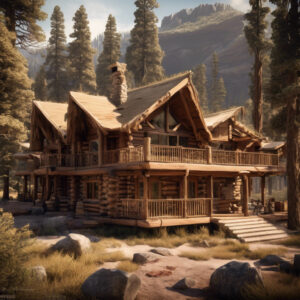
Ranger stations serve as the operational hubs for park rangers, who work tirelessly to protect natural resources, manage public lands, and ensure visitor safety. These facilities must be functional, durable, and environmentally sustainable to meet the unique demands of their role. General construction services play a critical role in building and maintaining ranger stations to serve these purposes. This article explores why ranger stations need general construction services, the benefits of professional expertise, and the unique challenges these projects present.
Ranger stations are not just office spaces; they are vital components of national and state park systems. These buildings serve as the front lines for conservation efforts, housing the tools, personnel, and resources needed to manage public lands effectively. Whether located deep in forests, on mountains, or near rivers, ranger stations face environmental and operational challenges that demand thoughtful design and construction.
General construction services are essential for creating and maintaining ranger stations that are not only functional but also harmonize with their natural surroundings. From the initial design phase to routine maintenance, skilled contractors ensure that these facilities can withstand the rigors of their environment while meeting the needs of staff and visitors.
The Need for General Construction Services in Ranger Stations
Building Durable and Functional Facilities
Ranger stations must withstand extreme weather conditions, from heavy snowfall in mountainous regions to intense heat in deserts. General contractors bring the expertise needed to construct facilities using materials and designs that can endure these environmental challenges.
Resilient Materials: Contractors select materials like weather-treated wood, reinforced concrete, or steel to build structures resistant to the elements.
Efficient Layouts: A well-designed ranger station incorporates functional spaces such as administrative offices, storage areas, and visitor centers while maximizing usability in limited square footage.
Infrastructure for Emergency Response
Ranger stations often serve as emergency response hubs for search-and-rescue missions, wildfire management, and disaster relief. Proper construction ensures these stations are equipped with:
Emergency communication systems integrated into the building design.
Helipad facilities for areas requiring aerial accessibility.
Secure storage for rescue equipment and emergency supplies.
Supporting Environmental Sustainability
Sustainability is a cornerstone of park management. General contractors specializing in eco-friendly construction can design ranger stations to minimize their environmental footprint.
Energy-efficient buildings using solar panels and natural insulation.
Water conservation systems like rainwater harvesting for remote stations.
Green building certifications such as LEED (Leadership in Energy and Environmental Design).
The Role of Professional Expertise in Ranger Station Construction
Compliance with Regulations
Construction projects in protected areas are subject to stringent regulations to prevent environmental harm. General contractors understand and comply with these laws, ensuring that projects do not negatively impact local ecosystems.
Environmental Impact Assessments (EIAs): Contractors work with environmental experts to minimize disruption to wildlife and vegetation.
Building Codes and Safety Standards: These professionals ensure that facilities meet state and federal requirements, reducing liability risks.
Integration with Natural Surroundings
Ranger stations must blend seamlessly with their environments to preserve the aesthetic and ecological integrity of parks. Construction services include:
Custom architectural designs that reflect local traditions or natural themes.
Use of local materials to reduce transportation impact and match the landscape.
Cost-Effective Project Management
Professional contractors bring efficiency to every stage of the construction process, from planning to execution.
Accurate budgeting prevents cost overruns.
Time management ensures projects are completed without unnecessary delays.
Quality assurance guarantees that the final product meets high standards, reducing the need for future repairs.
Challenges of Ranger Station Construction
Remote Locations
Ranger stations are often situated in remote areas with limited access to resources and infrastructure. General contractors must overcome challenges such as:
Logistical planning for transporting materials and equipment.
Adapting construction methods to terrain and weather conditions.
Balancing Modern Needs with Traditional Aesthetics
While modern facilities are essential, they must not overshadow the natural beauty of the parks. Contractors achieve this balance through:
Innovative designs that integrate technology without disrupting the visual landscape.
Discreet placement of infrastructure, such as solar panels or utility systems.
Long-Term Maintenance Requirements
Ranger stations require ongoing maintenance to remain functional over decades. General construction services often include maintenance planning, ensuring that facilities:
Resist wear and tear through durable materials and designs.
Are easy to repair with modular components and accessible systems.
The Broader Benefits of Well-Constructed Ranger Stations
Enhanced Visitor Experience
Visitors benefit from safe, welcoming ranger stations equipped with amenities such as restrooms, maps, and interpretive exhibits. General construction ensures these spaces are accessible and inviting for all park-goers.
Improved Conservation Efforts
Functional ranger stations enable rangers to carry out their duties more effectively, from monitoring wildlife to educating the public about conservation.
Economic and Community Impact
Ranger station construction projects can boost local economies by creating jobs and sourcing materials from nearby suppliers. Additionally, these facilities often attract visitors, further contributing to local tourism revenue.
Conclusion
Ranger stations are indispensable for managing and protecting the natural treasures within our parks. Their construction and maintenance require the expertise of general contractors who understand the unique demands of these facilities. By building durable, sustainable, and functional ranger stations, contractors play a crucial role in supporting park rangers, enhancing visitor experiences, and preserving the environment.
Whether constructing a new ranger station or upgrading an existing one, investing in professional general construction services ensures these vital facilities can serve their purpose for generations to come.