
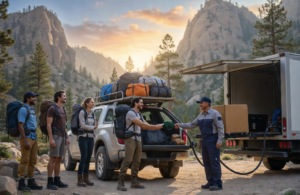
Utah has never been the kind of place where outdoor adventure stays neatly inside a brochure. People here load the truck before sunrise, pack the camper on Thursday night, haul trailers into the mountains, and somehow convince themselves that one extra cooler will absolutely fit. Usually it does. Barely. 🏕️
For camping stores and outdoor businesses, that culture creates a steady demand for gear, supplies, equipment, transportation, and dependable support. Customers may walk into a camping store looking for a sleeping bag or camp stove, but the larger outdoor economy involves delivery vehicles, RVs, generators, construction equipment, service fleets, and businesses working behind the scenes to keep recreation moving.
Fuel is one of those behind-the-scenes necessities that rarely gets much attention until there is not enough of it.
That is why access to 24/7 Diesel Delivery Salt Lake City can make a real difference for companies connected to Utah’s outdoor and camping community. When vehicles, equipment, or generators need diesel, waiting for normal business hours may not fit the situation. Outdoor adventure has its own schedule, and it is not always a Monday-through-Friday schedule.
Utah’s Outdoor Culture Creates Its Own Kind of Business Rush
Anyone familiar with Utah knows that the state’s landscape plays a major role in its identity. Mountains, desert terrain, canyons, lakes, and public lands create opportunities for camping, hiking, boating, off-highway vehicle recreation, fishing, and road trips throughout much of the state.
That outdoor culture also creates some unusual business patterns.
Camping stores may see customers arriving late in the day because they are leaving town immediately after work. RV suppliers can get a sudden rush before a holiday weekend. Equipment rental companies may have several machines scheduled to leave the yard within the same morning. Delivery vehicles can spend long days transporting merchandise, food, supplies, and outdoor products.
The Utah Division of Outdoor Recreation provides resources related to trails, boating, off-highway vehicles, safety, and recreation planning, reflecting just how broad the state’s outdoor community has become.
For businesses serving that community, dependable logistics matter. A camping store does not want a delivery vehicle sidelined when shelves need to be restocked. An outdoor outfitter does not want to delay equipment transportation because a diesel-powered truck needs fuel. A company supplying a temporary recreation event may have generators or support equipment that must remain operational.
The outdoors may feel spontaneous to customers. Behind the scenes, successful outdoor businesses depend on planning.
Camping Stores Depend on More Than Tents and Flashlights
Walk through a good camping store and it is easy to focus on the products. There are tents, backpacks, portable cooking equipment, coolers, camp furniture, lighting, tools, and enough gadgets to make even experienced campers wonder how they survived their last trip without buying three more things.
The store itself, however, is part of a much larger supply chain.
Products must arrive from distributors. Local inventory may be transferred between stores or warehouses. Commercial vehicles may transport bulky outdoor merchandise. Landscaping and facility equipment may operate around larger retail properties. Backup generators may be part of emergency planning.
In other words, a camping store may sell adventure, but it still has to operate like a business.
According to Utah State Parks camping information, visitors can find a variety of camping experiences across the state, including tent sites and alternative accommodations at participating parks. As more people prepare for different kinds of camping trips, outdoor retailers have to be ready for customers with very different needs.
One person may be packing for a simple overnight tent trip. Another may be preparing an RV for a longer stay. Someone else may be headed toward a remote recreation area with equipment, extra water, tools, and several days of supplies.
Camping stores have to serve all of them, and keeping merchandise and business operations moving is part of that responsibility.
Fuel Problems Rarely Happen at a Convenient Time
There seems to be an unwritten rule in business that problems prefer inconvenient hours.
The delivery truck does not usually create a problem at 10:15 on a quiet Tuesday morning when everyone has plenty of time. Equipment issues show up when the schedule is full. Supply problems become obvious when customers are already arriving. A fuel shortage suddenly matters when vehicles need to leave.
For companies operating diesel-powered fleets or equipment, access to around-the-clock fuel delivery can provide another option when normal refueling plans fall apart.
This becomes especially important for businesses with irregular schedules.
Camping and outdoor recreation often involve early departures. Employees may arrive before sunrise to load vehicles. Commercial deliveries may be scheduled outside of peak shopping hours. Companies supporting events or recreation sites may work late into the evening.
A fuel provider capable of responding at different hours gives businesses greater flexibility when an unexpected situation develops.
It does not replace good planning. It supports businesses when the plan meets real life.
Salt Lake City Is a Natural Starting Point for Outdoor Travel
Salt Lake City sits near a remarkable range of outdoor recreation opportunities. That proximity helps explain why outdoor equipment, recreation services, camping supplies, and transportation are such familiar parts of the local business landscape.
The Uinta-Wasatch-Cache National Forest provides numerous camping and cabin recreation opportunities across northern Utah and surrounding areas. Individual camping locations can vary widely in access, amenities, services, and seasonal conditions.
That variety is part of what makes Utah appealing to outdoor enthusiasts.
It also means camping stores serve customers heading into very different environments.
A customer leaving for a developed campground has different needs from someone preparing for a primitive camping area. RV travelers may be thinking about hookups and road access. Backcountry campers are paying closer attention to weight, water, navigation, and emergency supplies.
Businesses supporting these travelers need reliable transportation and inventory systems. When a commercial diesel vehicle is part of that system, fuel availability becomes more than an ordinary operating expense. It becomes part of keeping commitments.
Remote Recreation Makes Preparation More Important
Utah rewards preparation.
The farther someone travels from a major city, the less practical it becomes to assume every service will be available immediately. Cell service may be limited in some locations. Stores may be farther apart. Road conditions and weather can influence travel.
The Bureau of Land Management’s Utah recreation resources highlight a wide range of recreation opportunities on public lands throughout the state. BLM Utah manages extensive public land used for numerous outdoor activities.
For campers, preparation means checking the destination, bringing appropriate supplies, and understanding local rules.
For businesses, preparation means keeping the vehicles and equipment supporting outdoor customers ready to operate.
A retailer expecting a shipment of popular camping equipment cannot sell products that are sitting in a disabled delivery vehicle. An outfitter cannot transport equipment efficiently if a support truck is unexpectedly out of fuel. A company using a diesel generator at an approved commercial or temporary operating site needs to monitor fuel levels.
These situations may not be exciting enough for an outdoor adventure documentary, but they matter.
Nobody makes a dramatic video about inventory arriving on time.
Customers simply expect it to happen.
The Outdoor Season Does Not Follow Banker’s Hours
Outdoor recreation tends to stretch the business day.
Campers leave early to beat traffic. Travelers arrive late because a road trip took longer than expected. Weekend demand can change quickly. Holiday travel can create sudden pressure on retailers and service providers.
The official Visit Utah camping guide presents camping opportunities across different regions and styles, from established campgrounds to broader outdoor experiences.
A camping store serving this market has to understand the rhythm of its customers.
Friday afternoon can feel different from Tuesday morning. The day before a holiday can bring customers searching for forgotten gear, replacement equipment, fuel containers, batteries, cooking supplies, or the mysterious tent part that disappeared sometime between last summer and the garage.
Behind the counter, employees are restocking shelves.
Behind the store, deliveries may be arriving.
At a warehouse, another order may be getting loaded.
A diesel-powered business vehicle or piece of support equipment that runs short on fuel can interrupt that entire chain. Twenty-four-hour fuel delivery gives commercial operations a resource when conventional fueling is inconvenient or unavailable.
Reliable Fuel Supports the Businesses Behind the Adventure
Outdoor recreation is often presented through beautiful photographs.
There is a tent under a perfect sky. A family sits beside a lake. Someone is drinking coffee from a metal mug while staring at a mountain.
Nobody in the photograph is arguing over where the extra propane canister was packed.
The reality of outdoor recreation includes a lot of logistics.
The National Park Service provides specific rules and planning information for destinations such as Canyonlands National Park backcountry camping, where campers need to understand location-specific regulations and conditions before entering the backcountry.
Camping stores play an important role in helping people prepare for these experiences. Employees answer questions, recommend supplies, stock safety equipment, and help customers think through trips.
The businesses supporting those stores also matter.
Delivery companies bring inventory. Commercial vehicles transport equipment. Maintenance crews keep properties functional. Warehouses receive and organize products. Generators can support certain temporary or emergency operations.
Diesel delivery is one small piece of this larger system, but small pieces tend to become noticeable when they stop working.
Emergency Diesel Delivery Can Reduce Operational Delays
When a business runs short on diesel, the immediate concern is usually time.
Employees may be waiting. Equipment may be sitting idle. A vehicle may need to leave. A delivery deadline may be approaching.
Driving to find fuel is sometimes the easiest solution. In other situations, moving equipment is difficult or inefficient. A commercial vehicle may already be positioned at a work location. A generator may be operating at a site where transporting it is not practical.
Mobile fuel delivery can bring diesel to the location where it is needed.
For camping stores and outdoor businesses, this type of service can be especially useful when schedules change unexpectedly. A business experiencing a sudden increase in deliveries may use more fuel than anticipated. A vehicle may return later than scheduled. Equipment may remain in operation longer than originally planned.
The ability to arrange diesel delivery can help a company respond without turning one fuel problem into an entire day of delays.
Outdoor Businesses Build Their Reputation on Being Ready
Customers remember when a business is prepared.
They remember the camping store employee who helped them find the right gear before a trip. They remember the outfitter that had equipment ready at the promised time. They remember the company that solved a problem instead of explaining why nothing could be done.
Reliability builds trust.
For camping stores, that trust is especially valuable because outdoor customers often return. Someone who buys a starter tent this year may purchase better sleeping equipment next season. A new RV owner may become a regular customer. A family that begins with weekend camping trips may eventually build an entire garage full of outdoor gear.
Yes, the garage will somehow still feel empty enough to justify another cooler.
Businesses want to be ready when those customers return.
Fuel planning is part of operational readiness for companies using diesel vehicles and equipment. Having access to a dependable delivery option gives businesses another way to protect their schedule and maintain operations.
Conclusion
Utah’s camping culture is built around exploration, preparation, and getting outside. The businesses that serve outdoor enthusiasts operate behind the scenes to make those adventures easier.
Camping stores stock the gear. Distributors move inventory. Delivery vehicles keep products flowing. Outdoor service companies transport equipment. Commercial generators and diesel-powered machinery support a variety of business operations.
When diesel fuel runs low, having access to 24-hour delivery can help keep those operations from coming to an unnecessary stop.
For Salt Lake City camping stores and businesses connected to Utah’s outdoor community, dependable fuel support is not about making fuel the center of the adventure. It is about making sure fuel problems do not become the center of the day.
The best outdoor trips usually start with good preparation.
The same is true for the businesses that help make those trips possible.