
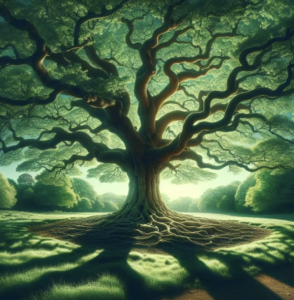
National parks are cherished for their natural beauty, environmental significance, and diverse ecosystems. The preservation of these landscapes requires an extensive amount of expertise, and one critical area of focus is the health and well-being of the trees that form the backbone of these ecosystems. Trees in national parks are not only essential for the environment but also for the tourism industry, wildlife habitats, and cultural significance. As such, national parks often enlist tree specialists to maintain and protect these natural resources.
Hiring a tree specialist is not just a luxury; it’s an essential service that ensures the longevity of the park’s trees and supports ecological health. These professionals bring advanced knowledge of tree biology, pest management, disease prevention, and environmental restoration to safeguard the park’s most vital assets. In this article, we will explore why national parks would hire a tree specialist, focusing on the role of these professionals, the tasks they perform, and the benefits they provide in preserving the park’s natural heritage.
The Importance of Trees in National Parks
Before delving into the reasons why a national park would hire a tree specialist, it’s essential to understand the critical role trees play within these parks. National parks are home to diverse ecosystems where trees serve as the foundational component of various habitats. They contribute to biodiversity by supporting countless species of plants, animals, insects, and fungi.
Moreover, trees in national parks provide environmental benefits, such as reducing carbon dioxide levels, preventing soil erosion, conserving water, and regulating temperature. These parks also serve as valuable tourist destinations, with trees often being central attractions. Iconic examples, like the giant sequoias in Sequoia National Park or the ancient bristlecone pines in California, draw millions of visitors annually. To ensure these trees thrive, their care must be entrusted to professionals with specialized knowledge and skills.
What is a Tree Specialist?
A tree specialist, also known as an arborist, is a trained professional who focuses on the cultivation, management, and care of trees. These specialists are skilled in diagnosing tree diseases, maintaining tree health, managing pests, pruning, and performing other services to ensure that trees remain healthy and strong. Arborists often work in partnership with environmental scientists, park rangers, and landscape architects to develop strategies for tree preservation and restoration.
Tree specialists have extensive knowledge of various tree species, their growth patterns, and the ecological roles they play. They also understand the complex relationship between trees and the environment, making them vital in ensuring the sustainability of national parks’ ecosystems.
Key Reasons National Parks Hire Tree Specialists
Tree Health Management
One of the primary reasons national parks hire tree specialists is to manage the health of their trees. Trees in national parks are often exposed to a range of environmental stressors, including changing weather patterns, invasive species, and diseases. Tree specialists can diagnose health issues that might not be immediately visible to the untrained eye, such as root rot, fungal infections, or nutrient deficiencies.
Tree specialists also monitor the overall health of the park’s forests and can take preventative measures to ensure the longevity of the trees. For example, they might use organic treatments to promote tree growth or implement integrated pest management strategies to reduce the impact of harmful insects.
Disease Prevention and Treatment
National parks often face significant challenges from tree diseases, which can quickly spread and decimate large areas of forest. Invasive pests such as the emerald ash borer or the gypsy moth can devastate tree populations. Tree specialists play a critical role in preventing the spread of these diseases and pests by identifying early signs and implementing treatments to stop outbreaks before they cause irreversible damage.
Arborists have the tools and expertise to apply appropriate treatments, such as pesticides or biological control methods, to eliminate or reduce the spread of pests. Their intervention can save entire ecosystems and protect park resources from decline. They are also equipped to educate park staff on preventative measures that can be taken to avoid future outbreaks.
Preserving Ecological Balance
Every tree in a national park contributes to the ecological balance of the surrounding environment. Trees provide shelter for wildlife, support the soil by preventing erosion, and help maintain the water cycle by controlling water flow. A tree specialist ensures that the park’s trees are healthy and well-maintained, which in turn supports the overall health of the park’s ecosystems.
Tree specialists work closely with park management teams to ensure that the park’s biodiversity is preserved. They may assist in managing invasive species of plants and animals that threaten native trees and plants, which can lead to imbalances in the ecosystem. Their knowledge of plant biology and ecology allows them to make informed decisions that protect both the trees and the wildlife that depend on them.
Tree Pruning and Structural Maintenance
Another vital service provided by tree specialists is tree pruning and structural maintenance. As trees mature, they may develop weak or damaged limbs that pose safety risks to visitors and wildlife. A trained arborist can carefully prune trees to remove dead or hazardous branches, reducing the likelihood of accidents. In some cases, they may also provide structural support to weakened trees, such as cabling or bracing, to help them maintain their shape and structural integrity.
Proper pruning ensures that trees in national parks maintain their aesthetic value and ecological function. For instance, pruning allows light to reach the understory plants, promoting healthy growth in the forest floor, and it helps maintain the natural shape of trees, preventing overcrowding that could inhibit growth.
Handling Special Projects for Iconic Trees
National parks often house unique or iconic trees that require special care. These trees may be centuries old or possess historical or cultural significance. In such cases, tree specialists can provide specialized care to ensure that these trees remain a part of the park’s legacy for generations to come.
For example, the preservation of large, ancient trees like the giant sequoias in California’s Sequoia National Park or the towering Douglas firs in Oregon requires specialized knowledge. These specialists might conduct extensive root investigations, check for signs of disease, or ensure that the trees’ environments are conducive to long-term health. In some cases, they may even use scientific methods to monitor the trees’ growth and response to environmental changes, helping to preserve them for future generations.
Education and Training for Park Staff
Tree specialists don’t just care for the trees themselves—they also provide valuable education and training to park staff. National parks often have rangers, volunteers, and other personnel who are responsible for maintaining park health and safety. Tree specialists can train these individuals on how to identify tree diseases, how to handle emergencies involving trees, and how to preserve and protect tree health.
These training sessions also focus on best practices for tree care and conservation. By educating park staff, tree specialists ensure that the knowledge and skills required for tree maintenance are passed down, leading to better long-term management of the park’s trees.
Sustainability and Climate Change Adaptation
As climate change continues to affect the natural world, national parks are increasingly faced with challenges related to changing temperatures, altered precipitation patterns, and new pests. Tree specialists can play a key role in helping national parks adapt to these changes by assessing how climate change might impact tree species and recommending solutions to mitigate these effects.
For example, tree specialists might help parks select tree species that are better suited to future climate conditions or implement strategies to ensure that existing trees can withstand new environmental stresses. Their expertise helps parks remain resilient in the face of climate change, ensuring that ecosystems are protected for the long term.
Conclusion
National parks are more than just tourist destinations—they are ecosystems that support a wide range of plant and animal life. Trees play a pivotal role in these ecosystems, and their care requires specialized knowledge and expertise. A tree specialist near me are indispensable for the health and preservation of national park trees. They provide a wide range of services, from disease management and pest control to pruning, structural support, and education.
By hiring a tree specialist, national parks ensure the protection and longevity of their natural landscapes, preserving both the beauty and ecological balance of these treasured environments. The work of tree specialists is a vital component of sustainable park management, ensuring that future generations can continue to enjoy the majestic trees that define many of the nation’s most iconic landscapes.