
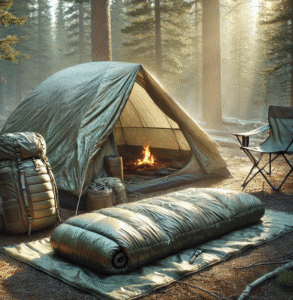
When you think of camping, your mind likely jumps to tents nestled beneath the stars, cozy sleeping bags, and gear designed to withstand nature’s whims. But have you ever stopped to consider what makes this gear reliable, waterproof, lightweight, or warm? Behind much of your outdoor comfort is a not-so-secret weapon: taffeta fabric. Often associated with elegant evening gowns and formalwear, taffeta has carved out a niche in the rugged world of outdoor adventure. Its crisp finish, smooth texture, and adaptable construction make it a surprisingly powerful material in the world of camping gear.
This article explores the multifaceted use of taffeta fabric in camping gear, from tents and sleeping bags to rainwear and backpacks. We’ll dive into the reasons it’s favored by outdoor brands and how it helps elevate your camping experience—whether you’re a weekend camper or a full-blown wilderness enthusiast.
What Is Taffeta Fabric? 🧵
Taffeta is a woven fabric, traditionally made from silk, but now commonly woven from polyester, nylon, or acetate. It has a fine, tightly woven structure that provides a crisp texture and a slight sheen. The material is both lightweight and strong, making it an ideal candidate for technical and performance uses in camping gear.
Modern outdoor gear typically uses polyester or nylon taffeta, which offers additional benefits like:
-
Water resistance
-
Durability against wear and tear
-
Windproof qualities
-
Lightweight structure for portability
According to ScienceDirect, taffeta’s compact weave provides excellent wind resistance and water repellency, making it ideal for extreme conditions.
Why Taffeta Fabric Is Popular in Camping Gear 🌄
1. Lightweight Yet Durable
One of the key benefits of taffeta is its ability to balance low weight with high strength. Nylon and polyester taffeta are often chosen for camping gear because they can handle the wear and tear of outdoor conditions without adding unnecessary bulk.
This is especially important for:
-
Backpackers looking to reduce pack weight
-
Minimalist campers who want efficient, no-fuss gear
-
Expedition teams that need performance-grade durability
2. Water Resistance & Windproofing
Taffeta’s tight weave structure naturally repels water and wind. When treated with polyurethane (PU) or durable water repellent (DWR) coatings, taffeta becomes highly water-resistant, if not completely waterproof. This makes it a staple for tents, rainflys, and outerwear.
OutdoorGearLab frequently notes taffeta’s presence in highly rated tents for its resistance to soaking, tearing, and UV rays.
3. Compact & Packable
Polyester and nylon taffeta compress well, making them excellent materials for packable sleeping bags, down jackets, and compact rain ponchos. This space-saving quality is critical for backpackers and car campers alike.
4. Smooth Against the Skin
Unlike some other rugged textiles, taffeta has a silky finish. This makes it comfortable in applications like sleeping bag liners, tent interiors, and camp pillows, where rougher materials might irritate the skin.
Common Camping Gear Made with Taffeta Fabric 🎒
1. Tents and Tent Linings ⛺
Modern tents often feature taffeta fabric in the:
-
Rainfly
-
Tent walls
-
Interior linings
-
Tent floor (when paired with a waterproof coating)
For example, polyester taffeta with a 1500mm PU coating is common in mid-range tents, offering a waterproof shield without adding excess weight. Brands like Coleman and REI regularly use this type of material.
Taffeta’s resistance to mildew and UV degradation also contributes to longer-lasting tents that hold up across many seasons.
2. Sleeping Bags and Liners 💤
Both the outer shell and inner lining of sleeping bags frequently use nylon or polyester taffeta. Why?
-
The outer shell benefits from its abrasion resistance and weather shielding
-
The inner lining is smooth, breathable, and warm to the touch
In fact, many sleeping bags rated for sub-zero temperatures use ripstop nylon taffeta due to its high performance in extreme cold.
3. Camping Chairs and Furniture 🪑
Folding chairs, stools, and cots often use taffeta-reinforced seating surfaces. Its ability to withstand friction and load stress while maintaining comfort makes it an ideal material for outdoor furniture.
Some chairs combine oxford fabric and taffeta panels for optimized performance—strong where needed, flexible where possible.
4. Backpacks and Daypacks 🎒
While most backpack shells use ripstop nylon or Cordura, taffeta liners are a popular choice for interior compartments. They provide a slick and protective inner surface that helps prevent moisture absorption and makes cleaning easier.
Hydration reservoirs and laptop sleeves are also often lined with taffeta for extra insulation and abrasion resistance.
5. Rain Gear and Ponchos 🌧️
Taffeta is a go-to material for ultralight rain jackets and ponchos. It’s easy to fold, quick-drying, and extremely effective at blocking wind and rain when treated with waterproof coatings.
Hikers and survivalists often pack taffeta emergency ponchos because they fold down to palm-size and weigh mere ounces.
Nylon Taffeta vs. Polyester Taffeta in Camping 🧭
Nylon Taffeta:
-
Stronger tensile strength
-
More abrasion resistant
-
Slightly less UV resistant
-
Commonly used in sleeping bags, tents, and jackets
Polyester Taffeta:
-
Better UV resistance
-
Less expensive
-
Slightly heavier
-
Popular in tent walls, rainflys, and ponchos
The choice depends on the use case. For ultralight backpacking tents, nylon taffeta often wins. For sunny conditions or basecamp gear, polyester taffeta is often preferred.
Specialized Taffeta Variations in Camping Gear 🧪
Ripstop Taffeta
This is a reinforced version of taffeta, woven with a grid of stronger threads to prevent rips. It’s often used in:
-
Tent floors
-
Ground tarps
-
Outer shells of sleeping bags and jackets
DWR-Coated Taffeta
The DWR (Durable Water Repellent) finish enhances water resistance. It’s crucial for:
-
Rainflys
-
Backpack covers
-
Windbreakers
Insulated Taffeta
Used in quilted sleeping bags and jackets, insulated taffeta includes synthetic fibers or goose down between layers of fabric.
Caring for Taffeta Camping Gear 🧼
To extend the lifespan of your gear:
-
Avoid direct sun exposure when not in use—UV rays can degrade the fabric
-
Air dry rather than machine dry
-
Wash with gentle, non-detergent cleaners like Nikwax Tech Wash
Proper care ensures your taffeta gear remains water-resistant and rip-free for years to come.
Eco-Friendly Options ♻️
With the push toward sustainability, some outdoor brands now use recycled polyester taffeta in their gear. This helps reduce landfill waste and the carbon footprint of textile production.
For example, companies like Patagonia and The North Face are experimenting with bluesign®-approved fabrics, including eco-conscious versions of taffeta.
Learn more about bluesign® standards here.
Choosing the Right Gear: What to Look For 👀
When selecting taffeta-based camping gear, consider:
-
Denier rating – Higher denier = thicker threads (e.g., 75D is stronger than 20D)
-
Coating type – PU vs. silicone vs. DWR
-
Breathability – Some taffetas trap heat; look for ventilated designs
-
Purpose – Will it be exposed to rain, snow, or sun? Choose accordingly
Always check the label and product specs, especially if you’re investing in ultralight or four-season gear.
Conclusion: Taffeta’s Secret Strength in the Wild 🌲
Taffeta fabric may have humble beginnings in the fashion world, but its strength, flexibility, and adaptability have made it a mainstay in the world of camping gear. Whether you’re stringing up a rainfly before a storm or bundling into your sleeping bag after a long hike, chances are taffeta is part of the reason you’re dry, warm, and comfortable.
With innovations in waterproof coatings, sustainability, and weave technology, taffeta continues to evolve—offering campers high-performance benefits in a lightweight, compact form. So next time you pack your bag, take a moment to appreciate the smooth, crinkly fabric that’s quietly got your back in the backcountry. 🏕️
Sources: