
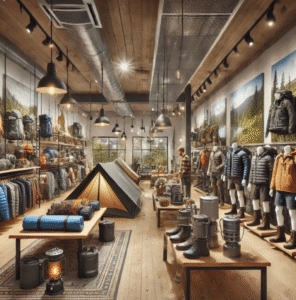
In the world of rugged backpacks, breathable tents, high-performance gear, and wilderness-ready boots, the last thing that might come to mind is a high-tech tool from the construction and architectural world: BIM (Building Information Modeling). Yet, for a camping and outdoors store—especially one that wants to maximize efficiency, sustainability, customer experience, and long-term cost savings—BIM isn’t just relevant, it’s a game-changer 🛠️🌲.
BIM isn’t just for skyscrapers or hospitals. Today’s retail environments are becoming more complex, especially as consumer expectations evolve, energy costs rise, and digital experiences merge with physical spaces. Whether you’re opening a new flagship store in a mountainous region, expanding into multiple locations, or renovating an older building to suit modern retail standards, BIM can be the silent powerhouse behind your success.
Let’s break down exactly why your camping and outdoors store needs BIM—and how it can transform the way you do business in the built environment.
What Is BIM? A Quick Refresher
Building Information Modeling (BIM) is a digital process that allows stakeholders—architects, engineers, contractors, owners, and even facility managers—to collaboratively plan, design, construct, and operate a building using a centralized 3D model. This model is rich in data, helping all parties make decisions that are more informed, accurate, and cost-effective.
According to the National Institute of Building Sciences, BIM is “a digital representation of physical and functional characteristics of a facility.” It’s more than just a drawing; it’s a smart model that evolves throughout the life cycle of a building.
1. Optimized Store Layouts for Customer Flow and Experience 🚶♂️🧭
One of the most powerful applications of BIM is in the store layout and design phase. For a camping and outdoors store—where customers interact with products that require testing, space, and sometimes even demonstration setups (like tents or kayaks)—flow matters.
Using BIM, you can:
-
Simulate customer traffic patterns to avoid bottlenecks.
-
Ensure ADA compliance and accessibility for all visitors.
-
Strategically place high-margin or seasonal products for visibility.
-
Create immersive zones where customers can experience gear in near-realistic settings (e.g., simulated trail areas or mock campsite zones).
This strategic planning, enabled by BIM’s visualization tools, can increase sales, enhance brand loyalty, and boost the in-store experience.
2. Energy Efficiency and Sustainability Initiatives 🌱💡
Outdoor retailers have a unique obligation and opportunity: most customers are eco-conscious, and expect the brands they support to reflect that same commitment. BIM supports green building in several ways:
-
Model and predict energy consumption, sunlight exposure, HVAC loads, and natural ventilation needs.
-
Choose sustainable materials and evaluate their lifecycle impact through BIM databases.
-
Optimize solar panel placement or rainwater harvesting systems for off-grid or semi-sustainable stores.
By integrating BIM with energy modeling software such as IES VE or Green Building Studio, outdoor retailers can create a store that aligns with the values of their target market—and possibly even attain LEED certification.
3. Streamlined Construction and Cost Efficiency 💸🏗️
Whether you’re building your first store or your fiftieth, construction overruns are common. BIM can reduce risk and increase transparency by providing real-time insights into cost, materials, and scheduling.
-
Collaborate with contractors and architects to detect clashes early (such as ductwork interfering with lighting).
-
Plan for prefabrication or modular construction of display units or walls.
-
Use 4D BIM to visualize time-based construction sequencing.
-
Manage materials to reduce waste—a key priority in sustainable construction.
The result? Projects are completed faster, under budget, and with fewer change orders.
According to a McKinsey & Company report, BIM can lead to project savings of up to 20% in time and 10% in cost—an undeniable advantage in retail construction.
4. Inventory and Facility Management 📦🏢
The benefits of BIM don’t stop when construction ends. Once the store is operational, the facility management and inventory planning capabilities of BIM come into play.
With a BIM model, you can:
-
Integrate data with smart shelf systems, lighting, and climate control.
-
Track maintenance needs on mechanical systems or infrastructure.
-
Visualize where storage areas, backstock, and restocking routes are most efficient.
-
Prepare for future expansions or renovations without guesswork.
For franchise stores or multi-location chains, BIM becomes a unified source of truth across the brand, keeping standards consistent while adapting to each site’s local characteristics.
5. Enhanced Omnichannel Integration 📱🏬
In today’s world, your store is more than a physical space—it’s part of an omnichannel journey that spans websites, mobile apps, social media, and live retail. BIM can bridge the physical and digital by informing:
-
AR (Augmented Reality) tools for customers to preview tents or hiking boots in real-time.
-
VR walkthroughs for planning product changes or visual merchandising updates.
-
Integration with POS and ERP systems to sync store layout with real-time inventory and sales data.
These integrations create smarter retail operations and help outdoor retailers stay ahead of customer expectations in a fast-moving market.
6. Supporting Modular and Pop-Up Retail Designs 🏕️📦
Camping and outdoor gear retailers often take their products on the road: seasonal pop-up shops, trade shows, or even mobile experiential stores. BIM enables:
-
Rapid design and deployment of modular retail kiosks.
-
Planning of transportation logistics, rigging, and teardown.
-
Layout testing to ensure consistency with brand identity no matter the space or event.
With BIM, even temporary builds can maintain the efficiency, safety, and visual appeal of a permanent store—critical for brand perception and operational success.
7. Resilience in Harsh Environments 🌨️⛰️
Many outdoor retailers build locations in remote or climate-sensitive regions to stay close to their adventure-loving customers. In such places, building performance and safety are paramount. BIM can simulate:
-
Snow load or wind resistance on roofing and facades.
-
Thermal efficiency in extreme heat or cold.
-
Structural resilience to earthquakes, floods, or hurricanes (when tied into GIS and hazard mapping tools).
By planning for these challenges upfront with BIM, you’ll ensure your store is built to withstand nature’s test, just like the gear you sell.
8. Brand Storytelling Through Design 📖🎨
Your store is more than shelves and racks—it’s a brand story. Camping and outdoors retailers thrive on emotional connections to nature, adventure, and exploration. BIM helps you tell that story architecturally:
-
Use BIM to plan interactive areas that simulate real trails, climbing walls, or demo tents.
-
Design for natural light, reclaimed wood, stone accents, and flowing layouts that feel like a forest trail.
-
Collaborate visually with designers and stakeholders before construction begins, using VR previews or renderings pulled from BIM software.
A well-designed store creates lasting impressions, which translate into brand loyalty and higher sales.
9. Compliance and Risk Mitigation ⚖️🔒
Retailers must adhere to a wide range of codes, regulations, and safety standards—from fire safety to zoning. BIM simplifies compliance by:
-
Flagging code violations early in the design.
-
Creating accurate digital records for inspections.
-
Preparing evacuation route simulations and emergency planning.
It also reduces liability risk by serving as a digital logbook of every component, from structural steel to HVAC systems.
10. Future-Proofing and Scalability 📈🛒
Outdoor retail is a growth-driven industry, with innovation in everything from smart gear to sustainable fabrics. Your physical infrastructure must keep pace. BIM provides the foundation for:
-
Store upgrades, such as EV charging stations or AI-based shopping carts.
-
Easy expansion with pre-modeled templates.
-
Historical data to guide data-driven decisions about customer behavior, store performance, and design ROI.
With BIM, you’re not just building a store—you’re building a platform for growth.
Conclusion: BIM Isn’t Just for Architects—It’s for Trailblazers 🥾🏔️
In the great outdoors, success belongs to those who prepare well, adapt fast, and navigate smart. The same is true in the retail landscape. For camping and outdoors stores looking to expand, impress, and operate sustainably, BIM offers a technological advantage that reflects their values: clarity, efficiency, sustainability, and innovation.
From the moment you envision your next store to the decades of upkeep that follow, BIM supports you every step of the way. It’s not just software—it’s a smarter way of doing business.
So if your store sells gear that helps people conquer the wild, let your store be just as smart, efficient, and ready for anything. Embrace BIM. Your customers—and your bottom line—will thank you. 🧭🌿
For more on BIM technology, check out these useful resources: