
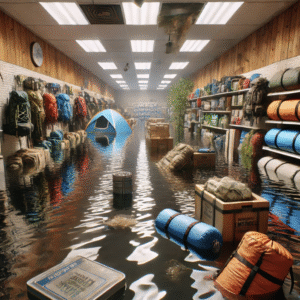
Camping stores are known for stocking rugged outdoor gear, adventure-ready apparel, and all the equipment needed to brave the wilderness. But ironically, even these bastions of outdoor preparedness aren’t immune to indoor disasters—especially water-related ones. Whether it’s due to severe weather, plumbing failures, or accidents during fire suppression efforts, water damage can strike swiftly and severely, leaving a trail of destruction in its wake.
For camping store owners, emergency water damage cleanup isn’t just about removing the water—it’s about protecting your inventory, your brand reputation, and your ability to serve outdoor enthusiasts who rely on you. In this article, we’ll dive deep into the scenarios when a camping store might require emergency water cleanup, what’s at stake, and how quick action can save both your products and your peace of mind. We’ll also link you to authoritative resources along the way. 💼🌊
Why Water Damage Is a Serious Threat for Camping Stores
Water damage is more than a temporary inconvenience—it’s a threat to a business’s operation, safety, and bottom line. For camping stores in particular, the effects can be devastating. Why?
-
Water-sensitive inventory: Many items—like sleeping bags, tents, down jackets, freeze-dried foods, and electronics—are susceptible to water damage or mold.
-
Brand reputation: Moldy gear, soggy floors, or foul odors can destroy customer trust.
-
Hidden structural damage: Leaks or flooding can weaken floors, warp displays, and damage drywall behind shelving.
💡 According to FEMA, even one inch of water can cause over $25,000 in damage to a commercial property.
Let’s explore the most common scenarios that might lead a camping store to need emergency water damage cleanup—and what you can do about it.
Scenario 1: Flooding from Severe Weather ⛈
One of the most common causes of water damage is flooding due to heavy rain, hurricanes, or flash floods. While camping stores are often located near nature, which draws outdoor enthusiasts, these same areas are also more susceptible to extreme weather.
If your camping store is in a floodplain or low-lying area, you’re at higher risk. Storm surges can break through doors, windows, or loading docks, letting in gallons of water that ruin inventory and damage display cases.
Why It’s an Emergency:
-
Outdoor gear made of natural fibers like cotton, wool, or down can absorb water quickly and become moldy within 24 to 48 hours.
-
Cardboard packaging and paper product tags can deteriorate.
-
Electronics like GPS devices, headlamps, and solar chargers become unsafe to sell or use.
🌎 Learn more about flood risks in your area with the FEMA Flood Map Service Center.
Scenario 2: Burst Pipes in Winter ❄️🚿
Many camping stores operate in regions that experience freezing temperatures, especially those near popular hiking or ski destinations. During a cold snap, a pipe can freeze and burst overnight—especially in storage rooms, attics, or areas without proper insulation.
What Happens:
-
Pressurized water sprays into your space, flooding floors and soaking stock.
-
Overnight water flow can lead to several inches of standing water before discovery.
-
Flooring may warp or crack, and electrical systems may short-circuit.
🚨 The Insurance Institute for Business & Home Safety (IBHS) warns that burst pipes are among the costliest insurance claims for businesses—sometimes exceeding $10,000 per incident.
Scenario 3: Roof Leaks During Rainstorms 🌧️🛠
Camping stores often have large commercial roofs. If routine roof maintenance is overlooked, heavy rain can cause leaks that drip directly onto product shelves, displays, and stockrooms.
What to Watch For:
-
Damp ceiling tiles or discoloration.
-
Water dripping down walls near storage racks.
-
Puddles forming on the showroom floor.
Even a small leak can lead to mold growth behind the scenes and create unpleasant odors that drive away customers.
👷 OSHA emphasizes that mold poses health risks and must be addressed promptly in retail environments.
Scenario 4: Fire Suppression System Malfunction 🔥💦
Camping stores may be equipped with fire sprinklers as a safety measure—especially if they sell propane tanks, stoves, or other flammable gear. But if a sprinkler head is triggered by mistake or a fire alarm malfunctions, gallons of water may pour out in minutes.
Impact:
-
Fire-retardant chemicals mixed with water can ruin sensitive textiles.
-
Expensive climbing ropes, tarps, and tents can become permanently discolored.
-
Flooring may become slick and hazardous, leading to potential injury liability.
Even if there was no actual fire, you’ll need emergency water damage cleanup to restore the store quickly and safely.
Scenario 5: Backed-Up Drain or Sewer Line 💩🛑
Camping stores with public restrooms, break rooms, or warehouse plumbing are not immune to clogged drains or sewer backups. A backup doesn’t just flood water—it introduces contaminated, biohazardous waste into your business.
Why This Is a High-Risk Emergency:
-
Pathogens from sewage can linger on porous surfaces like clothing, tents, and sleeping bags.
-
The cleanup must involve certified technicians following EPA and OSHA guidelines.
-
All affected inventory typically must be discarded.
📌 The EPA’s guidelines for flood cleanup stress the importance of proper protective equipment and disposal methods.
Scenario 6: Sprinkler Head Damage During Stocking or Renovations 🔨🛒
During restocking or renovation, it’s not uncommon for ladders or racks to accidentally strike a sprinkler head. This causes the system to activate and release hundreds of gallons per minute across the store.
Fallout:
-
Walls, fixtures, and cash wrap stations may be soaked.
-
Point-of-sale systems and receipts may be damaged.
-
Employee safety becomes an immediate concern.
This is why emergency response cleanup professionals are critical. They arrive within hours to begin water extraction, drying, dehumidification, and inventory assessment.
Scenario 7: Vandalism or Break-In 🧱💦
If a camping store is broken into and a window or pipe is broken during the crime, rain or plumbing water can enter freely. This form of damage is unpredictable but devastating.
Results:
-
Water may go unnoticed overnight or over a weekend.
-
Insurance claims may require rapid documentation and response to validate coverage.
-
Store morale and brand confidence may take a hit.
🛡 The Small Business Administration (SBA) recommends creating a written emergency response plan for disasters, including vandalism and floods.
What Does Emergency Water Damage Cleanup Include?
When a camping store experiences water damage, calling in the pros is essential. Here’s what a certified cleanup crew typically provides:
-
24/7 rapid response to limit damage spread.
-
Water extraction using commercial-grade vacuums and pumps.
-
Moisture mapping to find hidden wet zones behind walls and under flooring.
-
Drying and dehumidification to prevent mold.
-
Cleaning and sanitization for both the structure and salvageable inventory.
-
Disposal of unsalvageable goods per EPA and OSHA standards.
-
Documentation to assist with insurance claims.
🏢 Want to understand more about the science of drying? The Institute of Inspection, Cleaning and Restoration Certification (IICRC) sets the standards for water damage remediation.
Proactive Steps Camping Stores Can Take to Prevent Water Damage
While some disasters are unavoidable, others can be mitigated through preparation and maintenance:
-
Install smart leak detectors in restrooms, near water heaters, and in basements.
-
Insulate exposed pipes and conduct winter prep annually.
-
Schedule routine roof inspections to catch minor leaks before they become major.
-
Train staff on emergency shut-off valves and response protocols.
-
Keep an updated emergency contact list, including water damage cleanup professionals.
📄 Download the Ready Business Toolkit from Ready.gov to create your business continuity plan today.
Conclusion: When in Doubt, Act Fast 🕒💼
A camping store may symbolize preparedness, but when water damage strikes, no amount of outdoor gear can dry soaked tents or clean contaminated surfaces. From storms to sewer backups, broken sprinklers to burst pipes, the need for emergency water damage cleanup near me is real, and the faster you act, the more you save.
By preparing in advance, partnering with a trusted cleanup service, and knowing the signs of damage early, your camping store can stay open, dry, and ready to serve customers—even after a disaster. ⛺️
After all, people count on you to help them survive in the wild. It’s only fair that you have someone to count on when your own business faces nature’s fury.
🌐 For more disaster planning resources, visit Ready.gov and SBA Emergency Preparedness.