
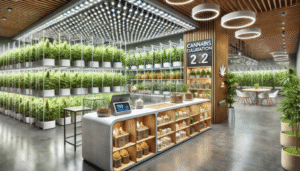
Cannabis has emerged not just as a booming industry, but also as a movement toward sustainability, innovation, and healing—both for people and the planet. While the discussion around cannabis often focuses on economic gains or health benefits, there’s another dimension that deserves the spotlight: the environment. With thoughtfully designed cultivation and dispensary facilities, the cannabis industry has the potential to support the great outdoors rather than harm it. 🌍
When cannabis cultivation dispensary design and construction are rooted in environmentally responsible practices, they can transform the relationship between agriculture, architecture, and the natural world. From green infrastructure and water conservation to habitat preservation and carbon reduction, the ripple effects of sustainable cannabis facility development go far beyond the dispensary counter.
In this article, we’ll dig deep into how the great outdoors stands to benefit from smart cannabis cultivation dispensary design and construction—and how this intersection of nature and innovation can lead to a healthier, greener future.
Designing with Nature in Mind: A Shift Toward Eco-Conscious Architecture 🏗️🌿
Modern cannabis cultivation and dispensary design are increasingly embracing biophilic and green building principles. These strategies integrate natural elements into the built environment and seek to minimize the ecological footprint of construction. In essence, the goal is to work with nature—not against it.
LEED-Certified Building Materials
Many forward-thinking cannabis facilities are now being built to meet LEED (Leadership in Energy and Environmental Design) standards. LEED-certified construction emphasizes energy efficiency, waste reduction, indoor air quality, and responsible material sourcing.
These structures are often made from recycled or renewable materials and include features like:
-
Solar panels
-
High-efficiency HVAC systems
-
Green roofs
-
Rainwater harvesting systems
-
Native landscaping
These features contribute to reduced energy consumption and lower carbon emissions, both of which are major wins for the great outdoors. 🌞💧
Sustainable Cannabis Cultivation: A New Age of Eco-Farming 🌱
Cannabis cultivation, particularly in large-scale indoor grow operations, has earned criticism for its resource intensity. However, when facilities are thoughtfully designed with sustainability in mind, cultivation can actually support environmental wellness.
Outdoor and Greenhouse Growing Reduces Energy Waste
Traditional indoor growing operations rely heavily on artificial lighting and climate control systems, which drain a significant amount of electricity. But greenhouses and hybrid cultivation facilities leverage natural sunlight and ambient temperature, dramatically reducing energy consumption.
By cultivating cannabis outdoors or in greenhouses that are designed with thermal insulation and passive ventilation, businesses reduce their reliance on the grid and lower their environmental impact. According to the National Renewable Energy Laboratory, greenhouses can reduce energy usage by more than 50% compared to traditional indoor setups. 🌞🌬️
Organic and Regenerative Practices Support Biodiversity
Sustainable growers are increasingly turning to regenerative agriculture—a holistic approach to farming that restores soil health, increases biodiversity, and sequesters carbon.
Key practices include:
-
Cover cropping to prevent soil erosion
-
Composting and natural fertilization
-
Companion planting to deter pests without chemicals
-
Rotational cropping and polyculture strategies
When implemented in cannabis cultivation, these techniques help protect the surrounding ecosystems and wildlife, ultimately preserving the integrity of the great outdoors. 🐝🌼
Water Conservation: Respecting Nature’s Most Precious Resource 💧
Water use is a major concern in any agricultural operation. Poorly managed irrigation in cannabis cultivation can lead to runoff, contamination, and depletion of local water supplies. But smart design can change the game.
Closed-Loop Irrigation Systems
Innovative dispensary and cultivation facility designs often include closed-loop irrigation, which recycles water rather than discarding it. This system captures excess runoff and condensate, filters it, and returns it to the irrigation line, drastically reducing water waste.
This approach helps:
-
Protect local watersheds
-
Conserve water in drought-prone areas
-
Reduce nutrient leaching into surrounding soil
As the Environmental Protection Agency (EPA) has long advocated, smarter irrigation helps sustain water supplies and ecosystems for future generations.
Reducing Pollution and Carbon Footprint 🌬️🍃
The great outdoors suffers when commercial operations release pollutants into the air and soil. Cannabis facilities that focus on clean construction and carbon-conscious design can play a crucial role in reversing this trend.
Building Materials and Local Sourcing
Using locally sourced and low-emission building materials helps reduce transportation-related emissions and supports regional economies. Materials like hempcrete (a hemp-based concrete alternative), reclaimed wood, and recycled steel are increasingly used in eco-friendly dispensary construction.
Solar Energy and Off-Grid Power
Many cannabis companies are going solar. Solar panels can be integrated into building design or added to rooftops to power everything from lights to irrigation pumps. Some facilities even operate completely off-grid, drawing power from wind, solar, and battery systems.
These shifts significantly reduce fossil fuel dependence and emissions, promoting cleaner air and a healthier atmosphere. 🌤️⚡
Habitat Protection and Eco-Design for Wildlife 🐿️🦋
Cannabis cultivation facilities don’t have to be sterile or invasive to nature. They can—and should—be designed in ways that protect and even nurture local wildlife habitats.
Eco-Friendly Landscaping
Many dispensary developers are replacing traditional sod lawns with native plant landscaping, which requires less water and offers food and shelter to pollinators like bees and butterflies. Some even include pollinator gardens and bat boxes as part of their outdoor design.
These small changes support entire ecosystems, contributing to biodiversity and a balanced environment.
Avoiding Deforestation and Site Disruption
Smart construction planning avoids disrupting sensitive ecological zones like wetlands, nesting grounds, or old-growth forests. Working with local environmental consultants helps teams choose build sites that minimize damage to surrounding habitats.
The National Wildlife Federation emphasizes the importance of sustainable development in preserving natural areas for wildlife—a principle that cannabis developers are beginning to embrace more fully.
Waste Management in the Cannabis Industry 🚮♻️
Cannabis cultivation and dispensary operations produce waste: plant trimmings, packaging materials, plastic containers, and more. Poor disposal can contaminate soil and waterways. But it doesn’t have to be this way.
Composting and Organic Waste Recycling
Cultivation facilities are incorporating onsite composting systems for plant waste, turning it into nutrient-rich compost for reuse. This keeps organic matter out of landfills and boosts soil health.
Packaging Innovation
As consumers demand more sustainable products, cannabis companies are responding with biodegradable, recyclable, or reusable packaging. Innovations like hemp-based plastic or mushroom-based packing materials are gaining traction.
This packaging evolution keeps plastic pollution out of nature’s landscapes and waterways. 🌎📦
Community Involvement and Environmental Stewardship 🤝🌳
The most successful and sustainable cannabis cultivation facilities don’t just exist in isolation—they become stewards of the land and leaders in their communities.
Green Jobs and Local Economy Support
Green cannabis development creates green jobs—from eco-designers and horticulturists to conservationists and solar installers. This boosts local economies while promoting sustainable practices.
Conservation Partnerships
Some cannabis businesses partner with conservation groups, pledging a percentage of profits to land preservation or volunteering staff time for local cleanup efforts and tree plantings. These partnerships multiply the positive impact on the environment.
By building not only physical infrastructure but also relationships rooted in respect for nature, these companies help safeguard the outdoors for future generations. 🌲👣
Educating Consumers and Advocating for the Environment 📚🌎
Eco-friendly dispensaries also serve as educational hubs. Through signage, events, and conversations, they help raise awareness about sustainability in agriculture and construction.
When customers see solar panels, native gardens, and water-saving features at their favorite dispensary, they begin to associate cannabis not only with wellness, but with environmental responsibility. And that cultural shift has power.
Dispensaries can:
-
Offer recycling take-back programs
-
Provide reusable containers and bags
-
Host environmental workshops or cleanups
The more visible and active these programs are, the more they reinforce the message: cannabis and the environment go hand in hand.
Conclusion: A Greener Path Forward 🌿🛤️
Cannabis cultivation dispensary design and construction, when done thoughtfully, can become a catalyst for positive environmental change. By using sustainable building materials, embracing green energy, protecting wildlife habitats, conserving water, and reducing waste, this growing industry has the power to heal the earth while healing people.
In a world where so many commercial ventures take from nature, cannabis offers a rare opportunity to give back.
So, whether you’re a builder, cultivator, investor, or consumer, ask yourself: How can we grow green—inside and out?
Because when the cannabis industry honors the great outdoors, everyone wins. 🌍💚
Helpful Resources: