
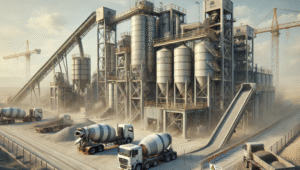
The National Park Service (NPS) is embracing a new era of sustainable infrastructure by investing in concrete batch plants. This strategic move aligns with the NPS’s commitment to resilience, environmental stewardship, and efficient resource management. By producing concrete on-site, national parks can better address the challenges of climate change, aging infrastructure, and the need for sustainable development.
The Role of Concrete in National Parks
Concrete is a fundamental material in the construction and maintenance of park infrastructure, including visitor centers, lodges, trails, and coastal defenses. Its durability and versatility make it ideal for structures that must withstand harsh environmental conditions. However, transporting ready-mix concrete to remote park locations can be logistically challenging and environmentally taxing.
By establishing on-site concrete batch plants, the NPS can produce high-quality concrete tailored to specific project needs, reducing transportation emissions and ensuring timely project completion.
Enhancing Climate Resilience
Climate change poses significant threats to national parks, including increased storm intensity, sea-level rise, and erosion. In response, the NPS is constructing resilient structures designed to withstand these challenges.
For example, the Flamingo Lodge in Everglades National Park was rebuilt using repurposed shipping containers elevated on 13-foot concrete pillars to protect against storm surges and flooding . On-site concrete production facilitated the use of sustainable materials and adherence to evolving building codes, ensuring the lodge’s longevity and resilience.theguardian.com+1nps.gov+1
Supporting Shoreline Restoration
Coastal erosion threatens the ecological integrity and visitor access of several national parks. To combat this, the NPS has partnered with the University of North Florida (UNF) to restore shorelines using innovative concrete structures known as POSH (Precast Oyster Shell Habitat) units. An $800,000 grant from the NPS enabled UNF to acquire a concrete batch plant, enhancing the production of these eco-friendly units .unf.edu
By producing concrete on-site, the NPS can efficiently deploy POSH units to stabilize coastlines, promote oyster habitat growth, and protect against erosion.
Preserving Historic Structures
Many national parks feature historic concrete structures that require careful preservation. The NPS’s Historic Preservation Training Center utilizes concrete batch plants to produce materials that match the original construction, ensuring structural integrity and historical accuracy. This approach allows for precise control over concrete composition, essential for restoring landmarks like the Logan Pass Visitor Center in Glacier National Park .nps.gov+1npshistory.com+1doi.goven.wikipedia.org
Environmental and Regulatory Considerations
Operating concrete batch plants within national parks necessitates adherence to environmental regulations. The Florida Department of Environmental Protection outlines permitting requirements for such operations, emphasizing air quality control and sustainable practices .epa.gov+4precastbuildings.com+4mwprecast.com+4epa.gov+3floridadep.gov+3floridadep.gov+3
By complying with these standards, the NPS ensures that on-site concrete production minimizes environmental impact while supporting infrastructure needs.
Conclusion
The National Park Service’s investment in a concrete batch plant for sale represents a forward-thinking approach to infrastructure development. By producing concrete on-site, the NPS enhances its ability to build resilient structures, restore ecosystems, and preserve historical landmarks, all while reducing environmental impact. This strategy exemplifies the NPS’s dedication to sustainable stewardship of America’s natural and cultural treasures.